







Search Results for: ice-water chilled coffee

Ice Water Pour-Over Coffee in Practice: A Full Breakdown of Grind Adjustment, Bloom Time, and Pulsed Extraction Parameters
Brewing pour-over coffee directly with ice water might sound unreliable—low-temperature extraction is inefficient, so won't it turn out weak and tasteless? In fact, with the right method, ice-water pour-over can fully deliver rich, smooth layers of flavor. Using Front Street Flower Kui coffee beans as an example, this article compares the brewing results of three different blooming times (30 seconds, 1 minute, and 1 minute 30 seconds), breaks down in detail the grind-size adjustments, blooming strategy, staged pouring technique, and stirring tips for ice-water pour-over, and helps you master the core parameters of ice-water pour-over so you can make a cup of iced coffee with rich layers and a long, lingering finish. [more…]
Kenyan Coffee Bean Flavor Analysis and Detailed Guide to Three Cold Drink Methods: Ice Hand Pour, Ice Drip, and Cold Brew
Kenyan coffee is famous for its bright acidity and berry flavors, which are inseparable from its unique varietal genetics and processing methods. The Bourbon lineage cultivated in the early twentieth century, plus the two disease-resistant, high-yield varieties SL-28 and SL-34, nurtured a distinctive acidic aroma in Kenya's high-concentration phosphoric acid soil. Kenya's signature double washing method (K72), through two fermentations and repeated washing, further amplifies the bean's cleanliness and acetic acid concentration. Because of its bright acidity and elevated flavors, Kenyan beans are especially suitable for making iced coffee. This article will systematically sort out the varietal origins and washing process of Kenyan coffee, and share Front Street Coffee's specific parameters and operational details for three methods: iced pour-over, iced drip, and cold brew. [more…]
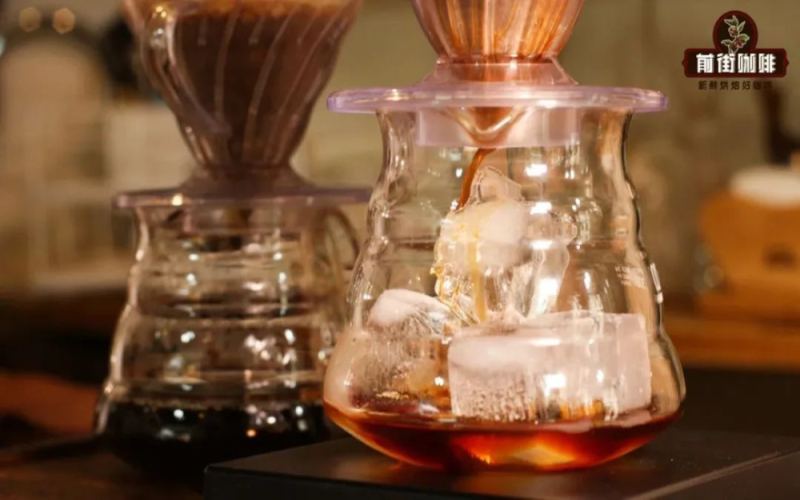
A Detailed Guide to Four Iced Pour-Over Coffee Brewing Methods: From High-Strength High-Extraction to Ice-Chilling Cooling
As temperatures rise, iced coffee returns to the top of the sales charts. Iced pour-over lets you freely choose your favorite beans while offering the sweet, refreshing taste of a chilled brew—making it an excellent way to beat the heat. But the key to making a delicious iced pour-over lies in solving the problem of dilution after cooling. Front Street Coffee has put together four zero-threshold iced pour-over brewing approaches—high-concentration high-extraction, ice rinsing, the stirring method, and ice-bath cooling—each with detailed parameters and step-by-step instructions, demonstrated using a light-to-medium roast Ethiopian Kafa Forest as an example. No matter what equipment you have on hand or what size your ice cubes are, you'll find a method that suits you. [more…]
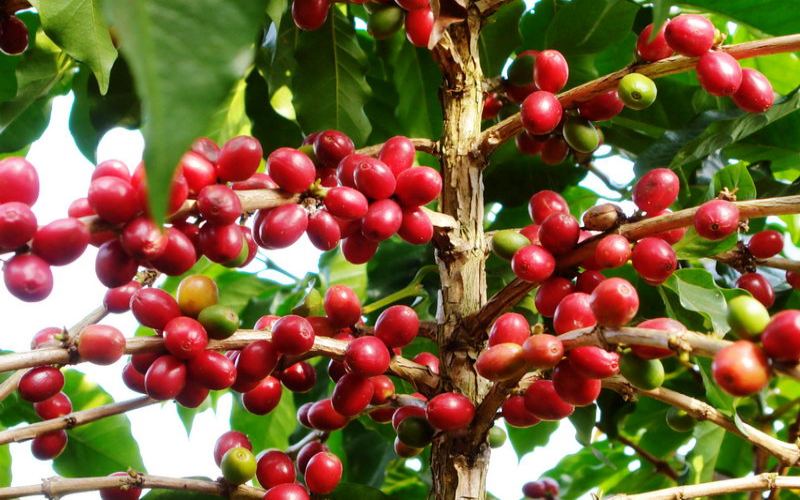
The Complete Guide to Brewing Kenyan Coffee: From Origin and Varieties to Washed Processing and Iced Pour-Over Techniques
Kenyan coffee is famous for its intense, cherry-tomato-like acidity and distinct floral and fruity aromas. In contrast to Ethiopia's light and bright profile, it is another shining star among African specialty beans. This article begins with Kenya's growing environment and six major producing regions, analyzes the origins of unique varieties such as SL28 and SL34, and explains in detail Kenya's signature 72-hour washed processing method (K72). After that, Front Street Coffee will share the parameters for hand-brewing Kenya and the three-pour pouring technique, as well as specific plans for three iced coffees: iced hand brew, iced drip, and cold brew, helping coffee lovers fully bring out the uplifting berry acidity and clean, full-bodied flavor of Kenyan beans. [more…]
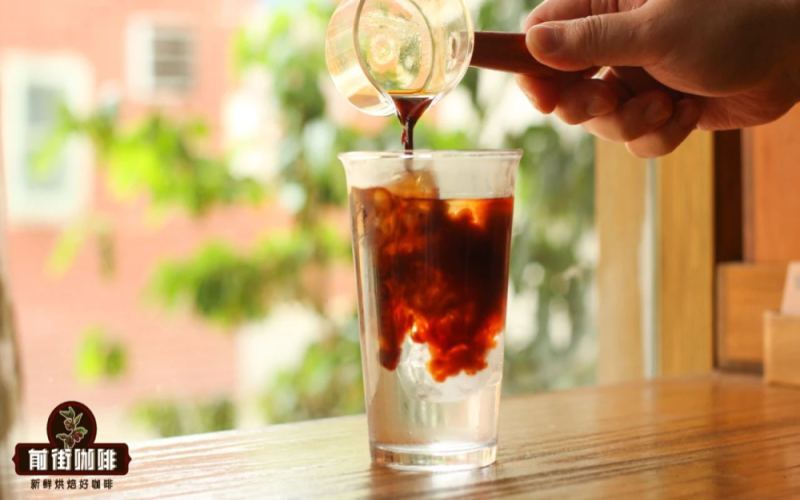
A Detailed Guide to the Four Major Iced Coffee Brewing Methods: Differences Between Cold-Water and Hot-Water Extraction, Plus Practical Tips from Front Street Coffee Baristas
As the weather turns warmer, iced coffee gradually becomes a favorite among coffee lovers. The common types of iced coffee mainly include iced pour-over, iced espresso (iced Americano), cold brew, and cold drip, each with distinct differences in extraction method and flavor expression. Iced pour-over and iced Americano follow the approach of rapid hot water extraction followed by dilution with ice, while cold brew and cold drip rely entirely on ice water or a low-temperature environment for long extraction, resulting in a softer and fuller flavor. The baristas at Front Street Coffee will introduce one by one the specific preparation methods, parameter ratios, and operational details of these four iced coffees, helping everyone recreate an ideal cup of iced coffee at home. [more…]
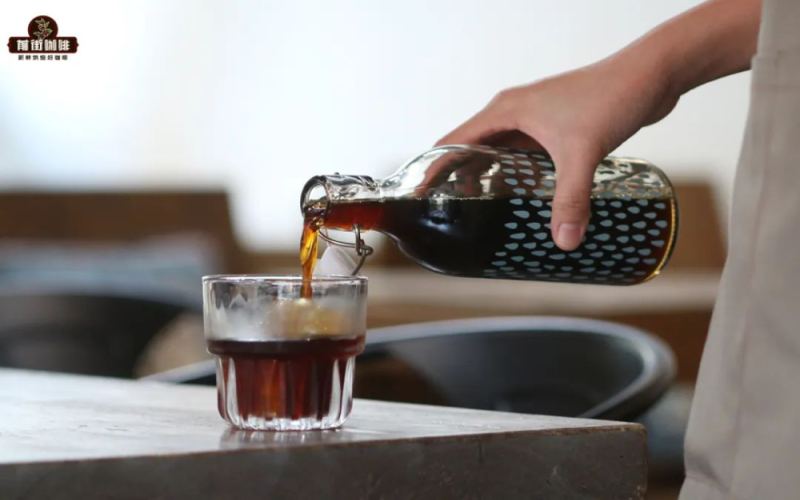
What are the taste characteristics of cold brew coffee? What key points should be noted when making cold brew coffee at home? How does Honduran Sherry cold brew coffee taste?
The reason people usually love cold brew coffee is its rich, smooth mouthfeel, with just the right acidity and sweetness, and it's neither astringent nor bitter. If you use fermented-flavor coffee beans to make it, the cold brew will also present a rich wine-like aroma, just like drinking a chilled fruit wine. How do you make cold brew coffee? Many friends have become hooked on [more…]
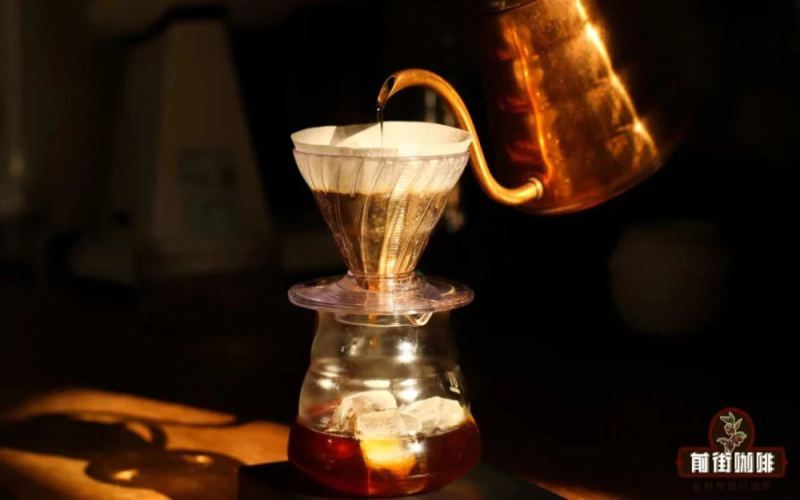
Ice Coffee Brewing Methods | What's the Difference Between Cold Brew, Ice Drip, Iced Americano, and Iced Pour-Over? Which Ice Coffee Tastes Better?
As temperatures gradually rise, the popularity of iced coffee slowly heats up too. Common types of iced coffee include iced pour-over coffee, iced espresso, cold brew coffee, and cold drip coffee, etc. But what are the differences between these four types of iced coffee? And how do they differ in taste? Today Front Street Coffee (FrontStreetC [more…]
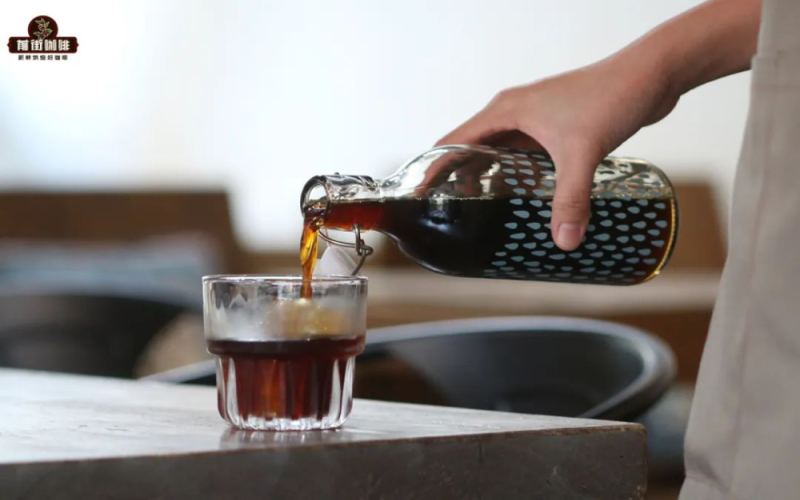
How can the flavor of cold brew coffee be described accurately? A full analysis of its mellow, neither sour nor astringent taste, plus brewing and storage
The reason ice drip coffee is favored by so many enthusiasts lies in its smooth entry, rich and full body, balanced acidity and sweetness without bitterness or astringency. If coffee beans with fermented notes are chosen, it can also present a rich aroma similar to chilled fruit wine. Starting from the production standards of Front Street stores, this article fully sorts out the ice drip coffee making process, including equipment selection, grind size control, dripping flow rate and coffee-to-water ratio, and further explains the key role of cold brew fermentation in enhancing flavor, as well as the tasting period and bean pairing suggestions. Whether you are a beginner who has just gotten an ice drip pot or an advanced player who wants to refine the flavor, you can find practical operational points and bases for flavor judgment here. [more…]
Iced Americano, Iced Pour-Over, Iced Drip, and Cold Brew: A Breakdown of Brewing Essentials and Flavor Differences Among Four Iced Coffees
The world of iced coffee is far richer than one might imagine, with iced Americano, iced pour-over, iced drip, and cold brew each having their own distinctive merits. The baristas at Front Street Coffee have combined their daily brewing experience to share the unique characteristics and specific preparation methods of these four types of iced coffee. From setting the coffee-to-water ratio and adjusting grind size to controlling extraction time and temperature, every step influences the final flavor in the cup. This article will break down one by one the two-stage pouring logic of iced pour-over, the espresso extraction parameters of iced Americano, the key points of low-temperature steeping for cold brew, and the dripping rhythm of iced drip coffee, helping coffee enthusiasts understand the principles while also appreciating the differences in texture and aroma among different iced coffees. [more…]
Iced Pour-Over, Iced Americano, Cold Brew, and Ice Drip: An Analysis of the Brewing Methods and Flavor Differences of Four Iced Coffees
On a scorching summer day, a glass of iced coffee always brings a refreshing and invigorating effect. But did you know that common iced coffee is actually divided into four major categories: iced pour-over, iced Americano, cold brew, and iced drip? Each uses a different extraction method, and their flavor profiles vary greatly. In this article, Front Street Coffee (FrontStreet Coffee) will walk you through the characteristics of these four types of iced coffee one by one, and share the specific methods our baristas use to make them in-store, including key parameters such as coffee bean selection, coffee-to-water ratio, grind size, and extraction time. Whether you prefer a light, refreshing taste or a rich, intense flavor, you'll find the perfect cup for you. [more…]
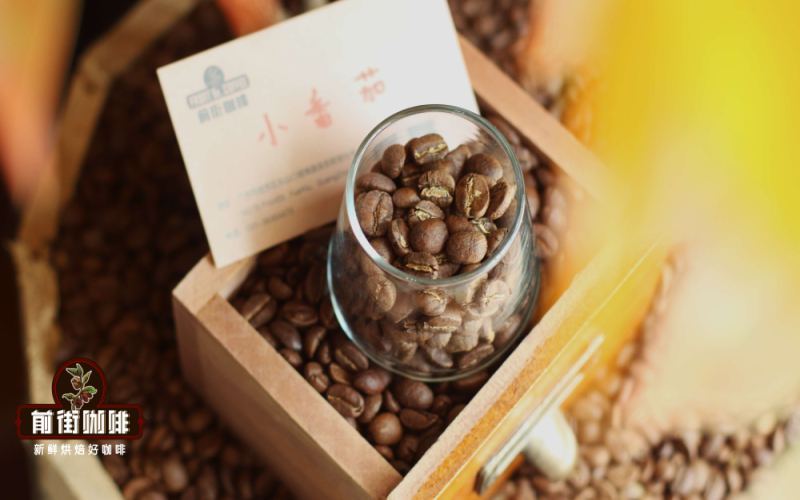
What coffee varieties are good to choose for Kenyan coffee? What roast level is suitable? Is lightly roasted Kenyan coffee really sour?
Kenyan coffee is renowned for its bright fruit acidity and soaring berry notes, which are inseparable from its unique varietal genetics and processing methods. This article will trace the origins of two legendary varieties, SL-28 and SL-34, analyze how Kenya's signature double fermentation washed method (K72) shapes a clean yet intense acidity, and discuss the suitable roast levels and brewing methods for Kenyan coffee. The article will also introduce the flavor performance of Asali Processing Factory beans at Front Street Coffee stores, as well as the specific parameters for Front Street Kenya Small Tomato coffee beans in iced pour-over, ice drip, cold brew, and other methods, helping coffee enthusiasts better understand and enjoy Kenyan coffee. [more…]
The Complete Brewing Guide to the Four Major Types of Iced Coffee: A Comparison of Methods and Parameters for Iced Pour-Over, Iced Americano, Cold Brew, and Ice Drip
As the weather warms up, iced coffee becomes a favorite for many. The four common types of iced coffee—iced pour-over, iced americano, cold brew, and ice drip—each have their own nuances in extraction method, flavor profile, and brewing parameters. Using Front Street Coffee's production practices as an example, this article breaks down the specific methods for each of the four iced coffees one by one: how to choose the coffee-to-water ratio for iced pour-over, how to control the ratio of espresso to ice water for iced americano, the steeping time and grind size for cold brew, and the flow rate and extraction duration for ice drip. Whether you want to recreate these at home or understand the operational logic of baristas, you'll find practical references here. [more…]
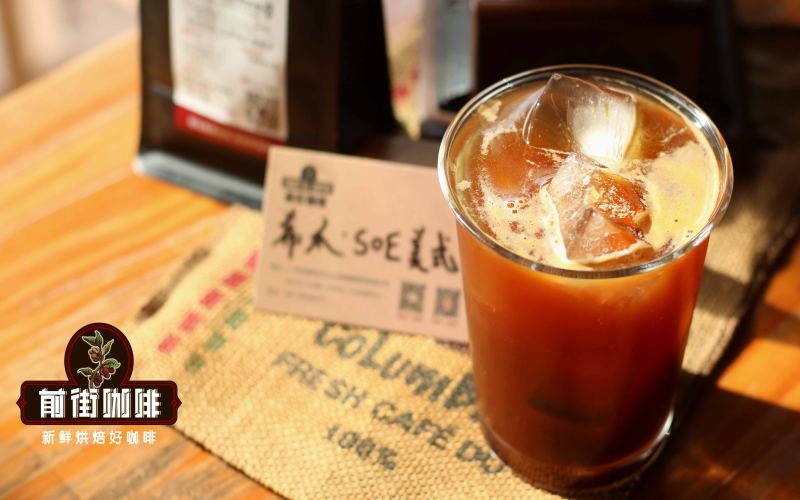
Easily Make Iced Americano, Iced Latte, Cold Brew, and Cold Drip at Home: A Complete Guide from Bean Selection to Extraction
On a scorching summer day, a glass of iced coffee always brings refreshing, invigorating delight. Iced Americano, iced latte, cold brew, and iced drip—these four popular iced coffees each have their own merits: the iced Americano uses espresso plus ice water to deliver zero-guilt refreshment, the iced latte wraps the richness of coffee in milk, while cold brew and iced drip rely on low-temperature extraction to fully release coffee's roundness, fullness, and clean flavors. This article walks you through recreating café-quality iced coffee step by step, from brewing methods and equipment selection to coffee bean recommendations, and shares Front Street Coffee's Classic Blend, Strawberry Candy, as well as bean varieties suited to iced drinks such as Butterfly, Red Cherry, and Mozart, helping you find your own summer flavor. [more…]
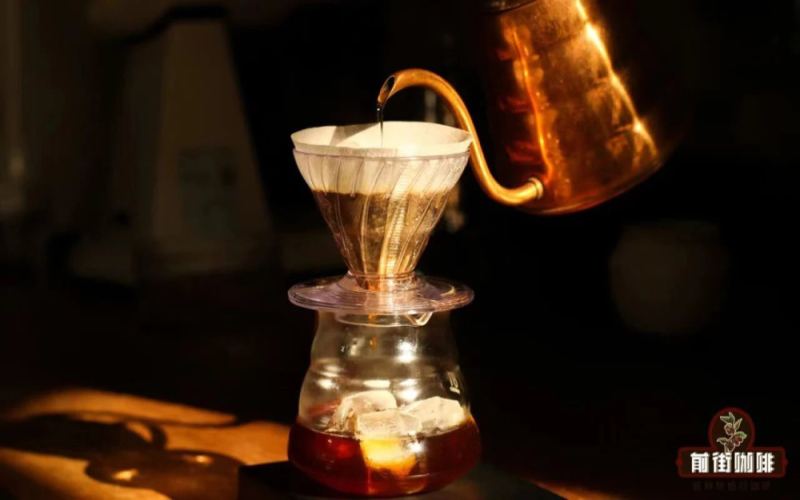
Iced Pour-Over, Iced Americano, Cold Brew, and Ice Drip: Production Differences and Flavor Comparison of Four Summer Iced Coffees
As the weather warms up, iced coffee gradually becomes the top choice for coffee lovers. Iced pour-over, iced Americano, cold brew, and iced drip are four common types of iced coffee. Although they all carry the word "iced," they each have their own distinct characteristics in extraction principles, preparation methods, and flavor expression. Iced pour-over and iced Americano both adopt the approach of extracting a high-concentration brew and then diluting it with ice, but the former relies on a dripper for pour-over, while the latter uses espresso as its base. Cold brew and iced drip both belong to the category of low-temperature, long-duration extraction, offering a full-bodied taste with rich layers. The difference lies in that cold brew uses an immersion method, while iced drip relies on water droplets continuously penetrating the coffee grounds. In this article, Front Street Coffee will break down the brewing parameters and flavor characteristics of these four iced coffees one by one, helping you find the cup that best suits your taste. [more…]

A Comparative Analysis of the Differences Between Dirty Coffee and Latte: Texture, Preparation Methods, and the Correct Way to Drink Them
Walking into a coffee shop and facing the dazzling array of choices on the menu, have you ever struggled between an Americano, a pour-over, a latte, or a Dirty? These seemingly similar coffee drinks actually each have their own distinct characteristics in terms of brewing techniques and flavor presentation. In this article, Front Street Coffee (FrontStreet Coffee) will guide you through a systematic overview of common coffee classifications found in cafés, from the basic parameters of espresso to the specific methods for making various derivative drinks, with a focus on explaining the core differences between Dirty coffee and latte—including temperature differences, the layering principle, and why Dirty needs to be drunk in large gulps. Whether you are a coffee enthusiast who is just starting out or a seasoned connoisseur looking to refine your tasting skills, you will be able to find practical reference information here. [more…]
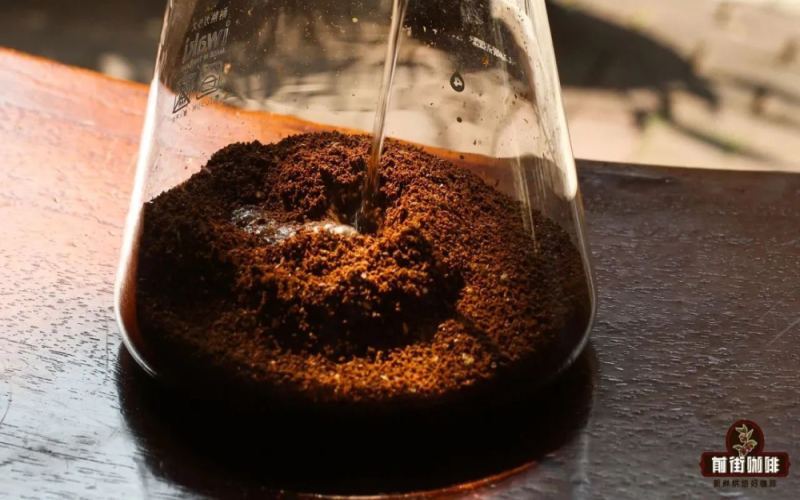
A Detailed Guide to Cold Brew Coffee Grounds-to-Water Ratios: Three Methods—Grind-and-Steep, Drip Bags, and Cold Brew Packs
Cold brew coffee, with its simple preparation and smooth taste, has become a daily choice for many coffee enthusiasts. Whether at home or in the office, it can be made with ease. This article explores the extraction principles and flavor characteristics of cold brew coffee, focusing on the logic behind coffee-to-water ratios, and breaks down three brewing methods in detail: grinding coffee beans for direct cold brew, using drip bags for cold brew, and using cold brew bags. It also draws on several representative products from Front Street Coffee to offer specific parameter recommendations and step-by-step instructions, helping you make a smooth, clearly flavored cup of cold brew coffee under any conditions. [more…]
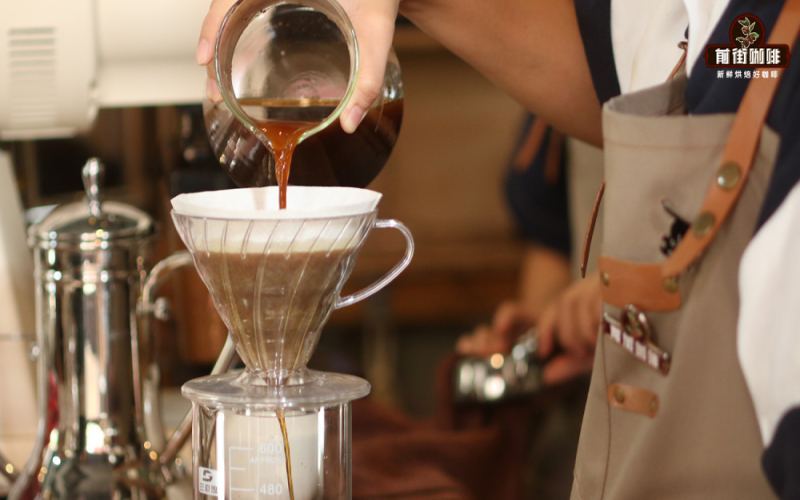
How should you choose the right bean variety for cold brew coffee? And how should you gauge the grind size and the amount of water for steeping?
As the hot summer approaches, homemade iced coffee has become a favorite among many coffee lovers, and cold brew stands out as the most popular chilled drink thanks to its simple process and easy home setup. But cold brew isn't something you can nail with just any bag of beans—the variety you choose, how fine you grind, and how much water you add all directly affect the final flavor. Starting from Front Street Coffee's hands-on cold brew practice, this article breaks down the coffee-to-water ratio, grind standard, steeping time, and filtering details in detail, and recommends three light-to-medium roast beans suitable for cold brew, including Panama Butterfly, Yirgacheffe Red Cherry Project, and Costa Rica Mozart. It also explains how long the finished cold brew should rest before drinking and how many days it can be kept refrigerated, so you can consistently make a clean, balanced, and refreshingly cold brew at home. [more…]
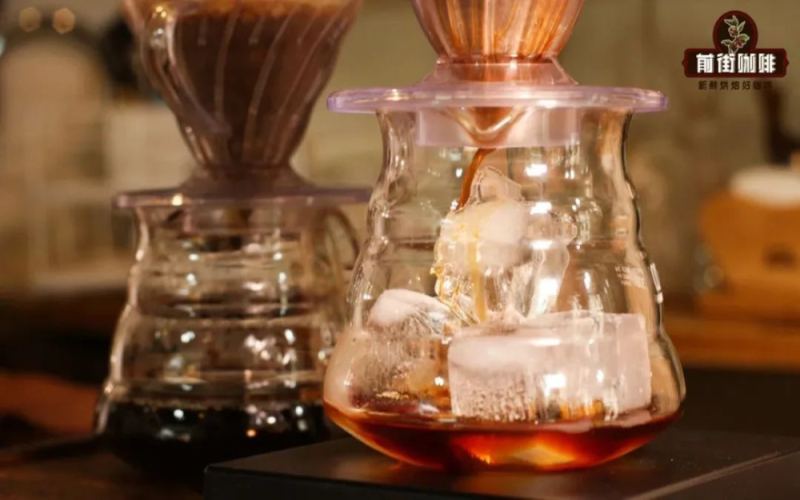
How to Make Delicious Iced Pour-Over Coffee: Four Practical Brewing Methods and Detailed Parameters
When the weather turns hot, iced coffee becomes the first choice for many people. Iced pour-over preserves the flavor layers of pour-over coffee while adding a refreshing chill, but making a good iced pour-over isn't as simple as adding ice cubes to hot pour-over. Melting ice dilutes the coffee's strength, and directly applying hot-brew parameters often results in a weak glass of iced coffee water. This article centers on the two cores of extraction yield and strength, and compiles four zero-threshold iced pour-over methods: the high-strength high-extraction method, the ice-rinsing method, the stirring method, and the ice-bath cooling method. Each method comes with specific parameters and operating steps using a medium-light roast Front Street Coffee Kafa Forest as an example, helping you easily make a full-flavored, sweet-and-sour balanced iced pour-over at home. [more…]

The Benefits of Black Coffee and How to Make It: A Flavor Guide from Americano to Latte
Original coffee is black coffee without sugar or milk, covering a variety of categories such as pour-over, cold brew, and Americano. Among these, Americano is made by diluting espresso with water and places high demands on bean quality and extraction technique. This article explains in detail the differences between Americano and latte, Front Street Coffee's brewing parameters, and how to choose suitable beans based on roast level to balance bitterness and acidity. It also explains the benefits of drinking black coffee in moderation, such as aiding digestion and cutting greasiness, reducing bloating, and boosting metabolism, while reminding readers that adding syrup or non-dairy creamer brings extra calories, and recommending no more than three cups per day. [more…]
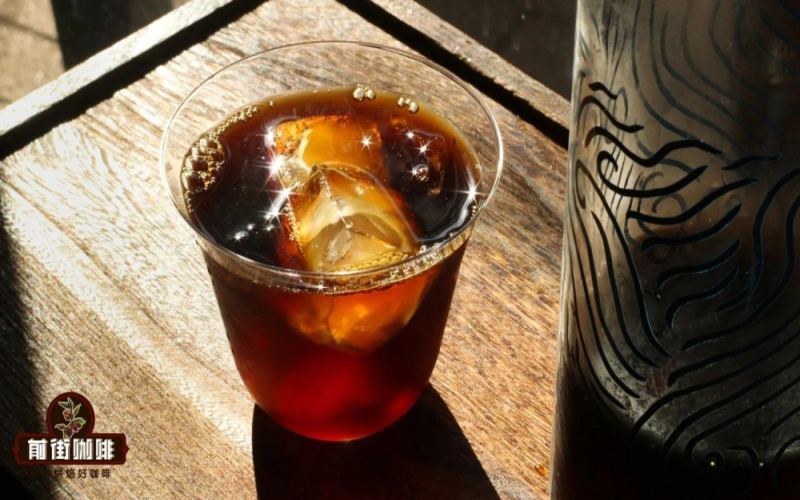
The Best Drinking Window for Hot Pour-Over and Cold Brew / Ice Drip Coffee: How Long Can It Be Stored After Brewing?
In the heat of summer, a glass of iced coffee always refreshes you instantly. But whether it's hot pour-over left to cool, or cold brew and ice drip coffee stored in the fridge, each has its own window of peak flavor. This article uses Front Street Coffee's Kenya Asalia as an example, first introducing the brewing parameters and flavors of hot pour-over and Japanese-style iced pour-over coffee, then breaking down in detail the methods, coffee-to-water ratios, extraction times, and refrigeration recommendations for cold brew and ice drip coffee. You'll learn: why hot black coffee should be finished before it cools completely, how cold brew coffee's flavor evolves within 5 days of refrigeration, why ice drip coffee is best consumed within 3–4 days, and how to adjust drinking timing based on fermentation time, so that every glass of iced coffee is at its best. [more…]